Removals near Stockwell tube station access tips
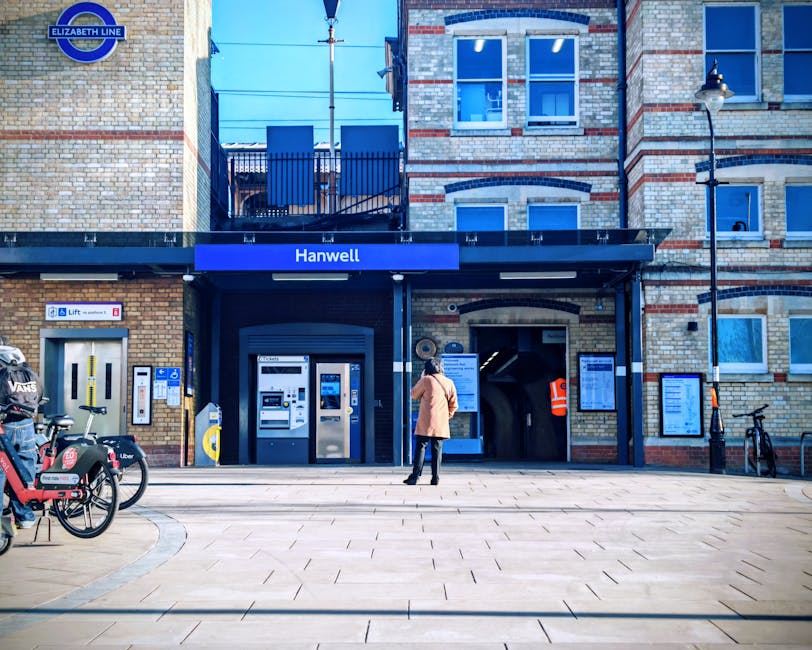
If you are planning removals near Stockwell tube station, the access details matter almost as much as the packing tape. A van that cannot stop safely, a hallway with tight turns, or a badly timed arrival can turn a straightforward move into a long, slightly frazzled morning. This guide breaks down the practical access tips that help everything run smoothly, from first van parking check to the final box being carried in.
Whether you are moving a flat, a family home, a student room, or a small office, the aim is the same: make the route clear, reduce delays, and protect your belongings. A little preparation here saves a lot of hassle later. Truth be told, most move-day stress near busy transport hubs comes from access, not lifting.
Why Removals near Stockwell tube station access tips Matters
Stockwell is a busy part of south London, with a constant flow of pedestrians, buses, cyclists, and local traffic around the station area. That makes access planning more than a nice-to-have. It is the difference between a calm handover and a move where everyone is standing around wondering where the van can legally pause.
When people search for removals near Stockwell tube station access tips, they are usually looking for a few specific things: where the vehicle can stop, how long loading will take, whether the property has stairs or narrow entry points, and what to do if there is no clear off-street space. Those are the details that shape the whole job.
It also matters because removals often involve more than just one stop. You might be collecting from a flat near the station, then going on to storage, or moving across London after an early start. If access is not planned properly, even a short move can become slower and more expensive than expected. Not ideal, obviously.
Expert summary: The best removals near Stockwell tube station are rarely the ones with the biggest van. They are the ones with the best access plan, the clearest timing, and the least guesswork.
For broader moving support, some customers also look at general removals services, flat removals, or home moves when the property type and access layout are still being decided.
How Removals near Stockwell tube station access tips Works
Good access planning starts before the moving crew arrives. In practice, it means mapping out how the van will approach the property, where items will be carried from, and how long the loading window is likely to take. Around a tube station, that planning needs a bit more care because the area can get tight quickly, especially during busy periods.
Here is the basic process most well-run moves follow:
- Check the street layout. Look for one-way roads, busier junctions, bay restrictions, or places where a vehicle can pull in briefly without blocking traffic.
- Measure the real route. This includes the distance from front door to kerb, stair count, lift access, and any awkward turns inside the building.
- Estimate loading time honestly. A small move can still take longer if there is no lift, the entrance is shared, or parking is a short walk away.
- Match the vehicle to the job. Sometimes a removal van is enough; for larger jobs, a moving truck or a removal truck hire option may be better.
- Build in a buffer. Busy streets do not always behave perfectly. A few spare minutes can save the whole schedule.
If you are unsure which type of move fits your situation, it can help to compare flexible options like man and van, man with van, or more structured removal services.
A small real-world note: the most useful access detail is often not the headline one. It is the thing people forget. For example, a lift may exist, but if it is too small for wardrobes, the crew still needs stair access. That kind of thing changes the entire plan.
Key Benefits and Practical Advantages
When access is planned properly, the move becomes easier in several very practical ways. You are not just saving time; you are protecting items, reducing strain, and making life simpler for everyone involved.
- Faster loading and unloading. Clear access means fewer pauses, less carrying distance, and fewer bottlenecks.
- Lower risk of damage. Tight turns, crowded pavements, and rushed lifting increase the chance of knocks and scrapes.
- Less stress on move day. If everyone knows where to go and what happens first, the day feels calmer. Simple, but true.
- Better cost control. Delays from poor access can push a move beyond the planned window.
- Safer lifting conditions. Good access reduces awkward carrying, which is especially useful for heavier items.
For homes and flats around the station, those benefits matter even more because space is often limited. If you are dealing with upper floors, shared entrances, or a narrow stairwell, proper planning can make the difference between an efficient move and a long slog. If you need help with packing before the day, packing and boxes support can also save time and reduce breakages.
There is also a mental benefit that people underestimate. When the access plan is clear, you stop second-guessing everything. That alone can make the day feel lighter.
Who This Is For and When It Makes Sense
This advice is useful for a wide mix of movers, not just people leaving a flat near the station. The access issues are common across local property types, and they show up in different ways depending on what you are moving.
Typical people who benefit
- Flat movers who may be dealing with stairs, narrow hallways, or no lift
- Home movers who need to coordinate a larger load and a tighter timetable
- Students moving in or out of shared accommodation
- Small businesses managing office items or stock near the station
- Anyone using short-notice help and needing a rapid but careful plan
If your move is especially time-sensitive, you may also want to look at same day removals. That said, a same-day move still needs access information. In fact, probably more so.
It makes the most sense to focus on access tips when the following are true:
- You are near a busy road or station frontage
- Your property has limited parking outside
- There is stair-only access or a small lift
- You are moving furniture, white goods, or fragile items
- You want to keep the move within a fixed booking window
If the move also involves clearing out unwanted items, it may be worth looking at furniture removals or even furniture pick up for bulky pieces that should not travel with the rest of the load.
Step-by-Step Guidance
Here is a straightforward way to handle access planning without overcomplicating it.
- Start with the exact address and entrance. Not just the postcode, but the specific door or side entrance the crew will use.
- Check the street outside. Ask yourself: can a van stop briefly without causing trouble? Is there a bay, a lay-by, or only moving traffic?
- Count the steps and measure the distance. A 20-metre carry is one thing. A 60-metre carry in the rain is another. Let's face it, London weather rarely helps.
- Look for height or width limits. Basements, low arches, narrow gates, and small lifts can all affect what vehicle works best.
- Separate fragile or awkward items. Make sure glass, mirrors, and electronics are clearly labelled and ready for quicker loading.
- Plan the order of loading. Essentials first, delicate items protected, heavy furniture handled with enough space.
- Confirm timing with the mover. Morning slots are often easier near busy stations, while later times can coincide with more local traffic.
- Have a backup plan. If the closest stopping point is blocked, know the next-best option before the van arrives.
For homes with lots of boxes, a service such as packing and unpacking services can reduce the pressure on move day. And if you are shifting a whole property, house removals or house removalists may be a more suitable fit than a smaller one-person setup.
One practical tip that people often miss: take a couple of photos of the entrance, the stairwell, and the loading point the day before. It sounds almost too simple, but it helps with planning. A good crew can spot a lot from a few clear images.
Expert Tips for Better Results
There are a few small adjustments that can make a surprisingly large difference, especially around a busy transport area like Stockwell.
- Choose the quieter arrival window where possible. The area can feel very different at 8 a.m. than it does during the school-run rush or afternoon traffic build-up.
- Keep the path inside the property clear. Shoes by the door, loose rugs, pushchairs, and clutter all slow things down.
- Use decent labels. "Kitchen," "fragile," and "open first" are far more helpful than scribbles nobody can read.
- Protect corners and floors. If your move includes stairs or tight hallways, those small impacts add up quickly.
- Think about the return journey too. If items are going to storage, organise them so that the van is unloaded in the right order.
For businesses, especially smaller offices near the station, it may be worth reviewing office removals or broader office relocation services if desks, files, monitors, and IT equipment are involved. Office access always takes more coordination than people expect. Always.
And if the move includes a piano, do not treat it like a standard box. Proper planning for piano removals matters because the route, surface, and handling method all need extra care.
Common Mistakes to Avoid
Most access problems are avoidable. They usually happen because one small detail was assumed rather than checked.
- Assuming parking will be easy. Near Stockwell tube station, that is often wishful thinking.
- Underestimating stair access. One flight can be manageable; four flights with a wardrobe is another story.
- Not telling the mover about the lift size. A lift that looks fine for people may be useless for furniture.
- Leaving packed items scattered through the home. That slows loading and creates trip hazards.
- Booking a vehicle that is too small. Multiple trips waste time and energy.
- Forgetting building rules. Some blocks have move times, lift booking procedures, or entrance restrictions.
There is also the classic mistake of "we'll just see on the day." Fine for a coffee shop queue, not so good for a removal schedule. If access is tight, vague plans tend to become expensive plans.
If you are trying to keep the move tidy, removals support with a clear pre-move briefing is usually better than relying on improvisation alone.
Tools, Resources and Recommendations
You do not need a mountain of equipment to plan access well. A few sensible tools are enough.
- Measure tape or measuring app: useful for doors, hallways, lift dimensions, and furniture sizes
- Phone camera: for entrance photos, stairwell shots, and parking viewpoints
- Marker pens and labels: for quick identification on boxes
- Blanket wrap or protective covers: for surfaces, corners, and furniture edges
- Notebook or simple checklist: for timing, access notes, and item priorities
When comparing service options, it may help to look at whether you need a more flexible single-item option such as man with a van, a more structured moving setup like removal services, or a vehicle-only solution such as removal van. The right choice depends on volume, access, and how hands-on you want the day to be.
If you are still in the planning stage, pricing and quotes can help you shape the job around the access situation instead of forcing the access to fit the job. That is usually the smarter way round.
Law, Compliance, Standards, or Best Practice
For removals in London, the practical side of access should sit alongside normal legal and safety expectations. You do not need to become an expert in transport law, but you do want to avoid obvious issues such as blocking traffic, ignoring local restrictions, or creating unsafe loading conditions.
Best practice usually includes:
- Not obstructing the highway more than necessary while loading or unloading
- Respecting building rules for shared entrances, lifts, and delivery windows
- Using safe lifting methods for heavy or awkward items
- Keeping walkways clear to reduce the risk of trips and falls
- Checking insurance and safety arrangements before the move starts
It is sensible to review a mover's insurance and safety approach, as well as their health and safety policy, especially if your move includes shared access, fragile furniture, or multiple flights of stairs.
For environmental concerns, some customers also like to ask about recycling and sustainability when clearing unwanted items. That is a fair question, and a sensible one. A move is often the moment when you realise how much stuff has quietly accumulated.
Options, Methods, or Comparison Table
Different move types suit different access conditions. Here is a simple comparison to help you decide what fits best near Stockwell tube station.
| Option | Best for | Access fit | Notes |
|---|---|---|---|
| Man and van | Small to medium loads | Good where access is tight or parking is limited | Flexible and often a good match for flats and short moves |
| Removal van | Moderate household moves | Works well if loading space is manageable | Useful when you want a straightforward vehicle and labour setup |
| Moving truck | Larger home or office moves | Needs more careful parking and route planning | Efficient for bigger loads, but access should be checked early |
| Same day removals | Urgent moves | Can work if access details are ready in advance | Speed matters, but clear information matters just as much |
There is no single best option. The right method depends on volume, stairs, parking, and how much furniture you have. For many local moves, the sweet spot is a flexible vehicle and a very clear access plan. Nothing fancy. Just well organised.
Case Study or Real-World Example
Imagine a couple moving from a second-floor flat a short walk from Stockwell station into a rented house across south London. At first glance, it looks easy. The distance is not far. But then the details appear: no lift, a narrow hallway, a front door that opens awkwardly onto the stairs, and limited stopping space outside.
Instead of treating it like a quick in-and-out job, they measure the stairwell, clear the hallway the night before, and send photos of the entrance and kerbside to the mover. They also separate larger pieces, like a bed base and a wardrobe, so the load order is easier to manage. On the day, the van parks at the nearest practical stopping point, the crew already knows which items need extra care, and the move is completed without last-minute confusion.
The difference was not brute force. It was access preparation. A pretty ordinary move, really, but done properly. That is usually how the best ones go.
If you are moving out of a flat and want a more tailored service, flat removals can be a better fit than a generic plan. Likewise, students often benefit from looking at student removals when the move is smaller but still time-sensitive.
Practical Checklist
Use this checklist the day before the move.
- Confirm the exact collection and delivery addresses
- Check where the van can stop safely
- Measure doors, stairways, and any lift opening
- Tell the mover about parking limits or access restrictions
- Clear hallways, landings, and entry points
- Label fragile and priority boxes clearly
- Set aside keys, documents, chargers, and essentials
- Protect floors and corners where needed
- Agree the loading order for awkward or heavy items
- Keep a backup plan for blocked access or delayed parking
If you are also decluttering, it may help to arrange furniture removals for the pieces you are not taking. And if the move is tied to a business relocation, you may want to look at commercial moves as well.
Conclusion
Removals near Stockwell tube station access tips are really about one thing: making the move fit the street, the building, and the reality of the day. Once you stop guessing about parking, stair access, and carrying distance, everything becomes easier to manage. That includes timing, safety, and the budget. A bit of planning goes a long way here.
Whether you are moving a flat, a family home, an office, or just a few bulky items, the safest approach is simple. Measure first, confirm access clearly, and choose the right moving setup for the job. Do that, and the whole process feels far less frantic. Better still, it feels under control, which is what most people really want.
Get a free quote today and see how much you can save.
And if you are at the stage of comparing move types, it can help to look at removal companies alongside the specific services that suit your property and access route. A good move is rarely about luck. It is usually about a quiet, sensible plan.
Frequently Asked Questions
What should I check first for removals near Stockwell tube station?
Start with the stopping point for the van, then check the walking route from the vehicle to your door. After that, note stairs, lifts, tight hallways, and anything that could slow loading down.
Is parking usually difficult near Stockwell tube station?
It can be. The area is busy enough that you should not assume the nearest kerb space will be free. Always plan for a practical backup spot and allow a bit of extra time.
Do I need to measure my doors and stairs?
Yes, especially if you have large furniture, white goods, or anything awkward to turn. A quick measurement can prevent a lot of painful surprises on move day.
What if my flat has no lift?
Tell the mover in advance. Stairs are manageable when everyone knows about them, but they do change the timing and the handling plan. No lift is not a problem by itself; it just needs proper planning.
Should I use a man and van or a full removals service?
That depends on volume and access. A man and van can suit smaller, more flexible jobs, while a fuller removals service is often better for larger household moves or more complicated access.
How early should I tell the mover about access issues?
As early as possible. The sooner they know about parking limits, stair counts, or narrow entrances, the better they can match the vehicle and crew to the job.
Can same day removals still work near Stockwell?
Yes, if access details are clear and the move is relatively straightforward. If the street is busy or the property is tricky, same-day work can still happen, but it needs realistic expectations.
What items need extra attention during local removals?
Large mirrors, glass tables, wardrobes, beds, pianos, and fragile electronics usually need more planning. They are the items that most often make tight access feel even tighter.
How do I prepare my building for move day?
Keep corridors, stairs, and entrances clear. If there are building rules for moves, follow them. A clean, open route makes the whole job easier and safer.
Are there any safety rules I should worry about?
The main points are common-sense ones: avoid blocking traffic unnecessarily, keep pathways clear, and make sure lifting is done safely. It is also wise to check the mover's insurance and safety information before the job begins.
What should I do if access changes on the day?
Let the mover know immediately and offer the next-best stopping point or route. Access issues happen now and then. The important thing is to adapt quickly rather than keep pushing with the wrong plan.
Is storage useful if access is too awkward for everything to move at once?
Yes, storage can be a sensible bridge if the move needs to happen in stages or if you are waiting on keys, renovations, or space at the destination. It takes the pressure off the day itself.